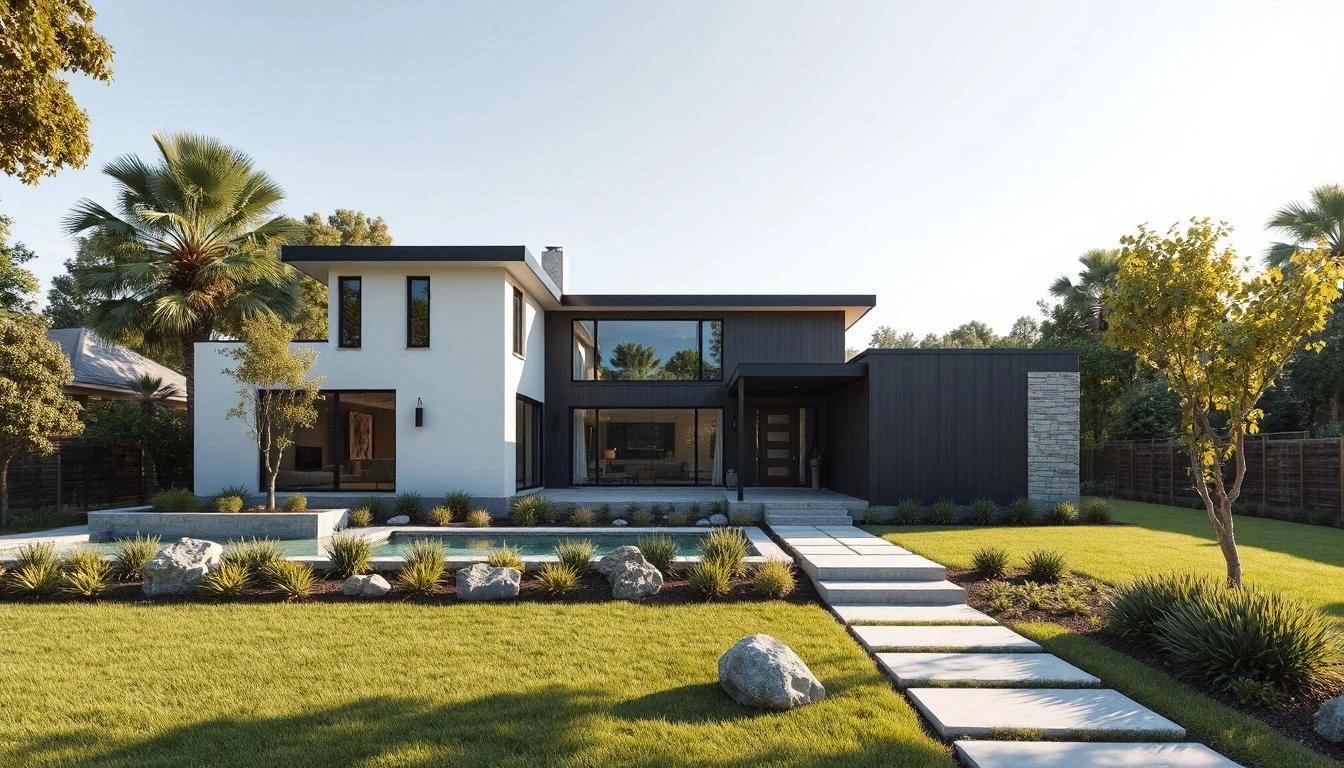
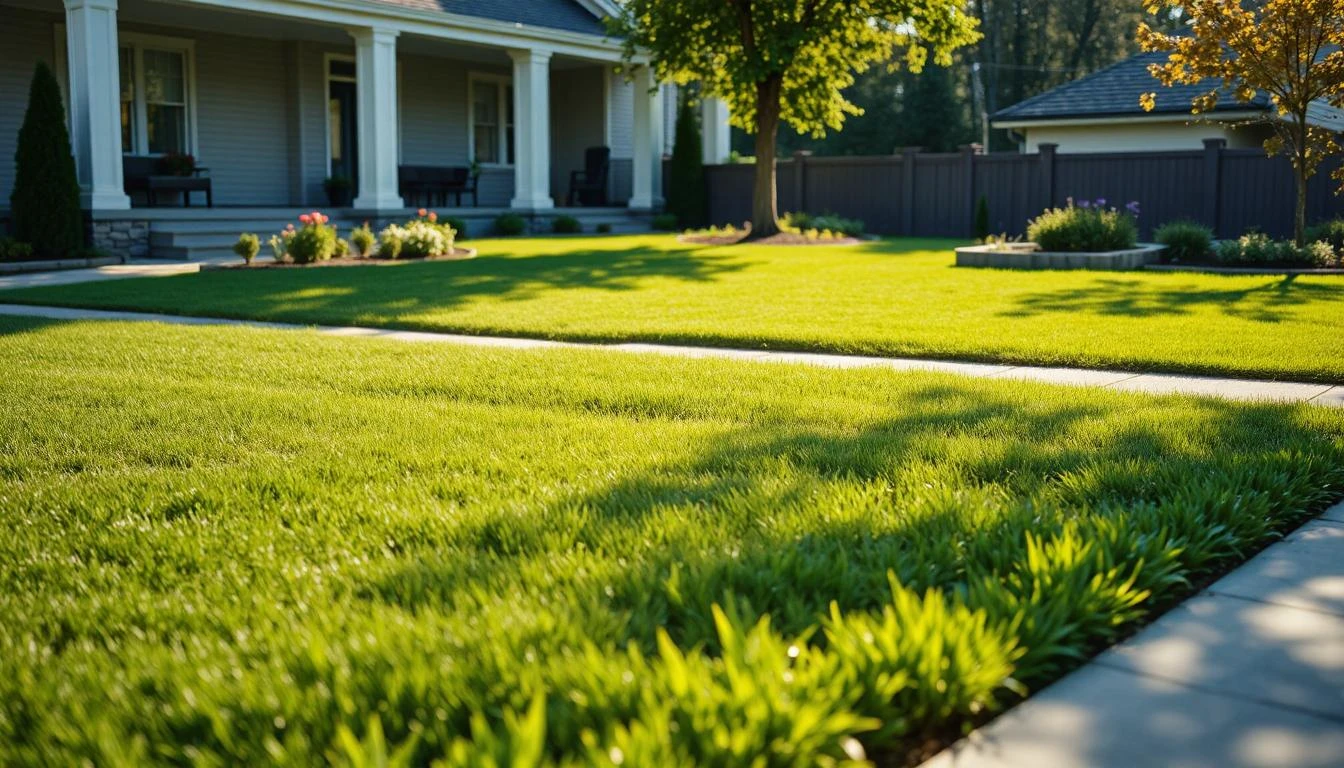
Outdoor Living Ideas For Modern Homes
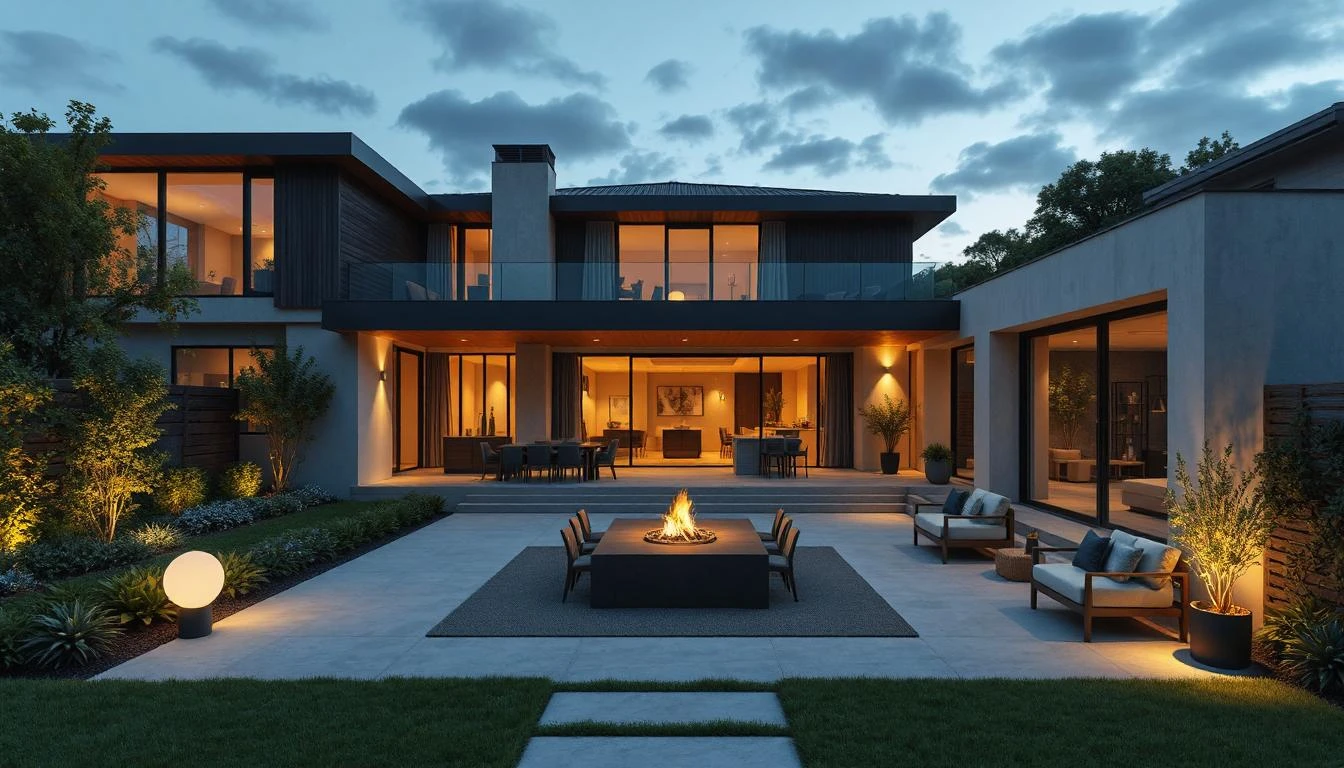
Modern living spaces are no longer defined strictly by interior walls. Homeowners are beginning to rethink how comfort, nature, and functionality can exist together in one seamless environment. This shift is pushing outdoor areas into the spotlight as essential extensions of daily life.
In today’s evolving lifestyle trends, outdoor living design has become a defining concept in modern architecture, reshaping how people experience relaxation, entertainment, and connection at home.
There is a growing curiosity about how outdoor environments can feel just as comfortable as indoor spaces. This curiosity is fueling new design approaches that prioritize flexibility, natural harmony, and emotional well-being. As architect Frank Lloyd Wright once emphasized, “Study nature, love nature, stay close to nature. It will never fail you,” a reminder that outdoor spaces are not just additions, but essential living ecosystems.
Another perspective from landscape designer Thomas Church highlights this transformation: “Gardens are for people,” meaning outdoor environments should always serve human comfort and interaction, not just visual appeal.
The Growing Popularity Of Outdoor Living
Outdoor living is becoming a global lifestyle movement driven by wellness, creativity, and the desire for stronger family connections. People are no longer satisfied with static home layouts; they want adaptable environments that respond to their daily needs.
Outdoor spaces are evolving into multifunctional zones where relaxation and activity coexist naturally. The demand for outdoor living design continues to grow as homeowners seek balance between comfort and open-air freedom.
The rise of family outdoor activities has also reshaped how spaces are used, turning simple backyards into meaningful social hubs. Many homeowners now explore best outdoor living design ideas for small backyard spaces to maximize limited areas without sacrificing comfort.
Expanding functional living spaces outdoors
Outdoor zones are now extensions of kitchens, lounges, and workspaces. This transformation allows homeowners to enjoy a seamless flow between indoor and outdoor environments, enhancing both productivity and relaxation.
Enhancing relaxation and family activities
Families are increasingly gathering outdoors for shared experiences, from weekend meals to evening conversations. These moments strengthen emotional bonds while encouraging healthier lifestyles away from digital distractions.
Connecting home environments with nature
The integration of greenery, water elements, and natural materials reflects a deeper shift toward biophilic living. This approach helps reduce stress and creates a calming atmosphere that reconnects people with nature.
Creative Outdoor Living Ideas
Design creativity plays a central role in shaping outdoor environments that feel personal, functional, and visually engaging. Every detail contributes to how the space is experienced.
Outdoor innovation continues to expand as homeowners explore new ways to personalize their environment. The keyword outdoor patio design is increasingly associated with modern, stylish, and multifunctional layouts.
At the same time, interest in backyard landscaping shows how people want cohesive outdoor aesthetics that blend nature and structure into one unified design experience.
Designing comfortable patios and seating areas
Comfort-driven seating arrangements define the heart of outdoor relaxation. Soft furnishings, shaded structures, and modular layouts allow spaces to adapt to different moods and occasions.
Creating outdoor dining and entertainment spaces
Outdoor kitchens and dining areas are becoming essential lifestyle upgrades. Searches like how to create an outdoor dining space for family gatherings reflect the growing desire for shared culinary experiences under open skies.
Adding lighting and decorative landscape features
Lighting transforms outdoor environments after sunset, creating mood and depth. Combined with garden design elements, it enhances both safety and visual storytelling in nighttime settings.
Tips For Building Better Outdoor Living Areas
Building an effective outdoor space requires thoughtful material selection, climate awareness, and long-term maintenance strategies.
Modern homeowners are increasingly prioritizing durability and sustainability when designing outdoor environments. The use of outdoor living design principles ensures that spaces remain functional across seasons.
Interest in sustainable landscaping is also rising as people look for eco-friendly ways to maintain beauty without excessive resource consumption.
Choosing durable outdoor furniture and materials
Weather-resistant materials such as teak, aluminum, and rattan are widely used for long-lasting outdoor setups. These choices ensure both durability and visual harmony.
Maximizing comfort in different weather conditions
Shading systems, pergolas, and ventilation-friendly layouts help maintain comfort throughout the year. These solutions make outdoor living more practical regardless of climate changes.
Maintaining outdoor spaces throughout the year
Regular upkeep, seasonal planting, and furniture care preserve the aesthetic and functional value of outdoor areas over time.
Upgrade Your Lifestyle With Outdoor Living Ideas
Outdoor spaces are no longer optional additions, they are essential extensions of modern living. When designed thoughtfully, they become places of rest, connection, and creativity that elevate everyday life.
As lifestyle trends continue to evolve, outdoor living design remains at the center of modern home transformation, influencing how people relax, gather, and experience their surroundings.
The growing interest in family outdoor activities shows that people are actively seeking more meaningful ways to connect with loved ones in open-air environments. This shift is redefining how homes are experienced on a daily basis.
Outdoor design expert Michael Reynolds once stated, “The future of housing is not about building more walls, but about creating better relationships with the environment,” reinforcing the idea that outdoor spaces are no longer secondary, they are essential.
The direction is clear: homes are becoming experiences, not just structures. And outdoor living sits right at the heart of that transformation.